Yei & Juba South Sudan
info@jfarmsouthsudan.org
Home » SERVICES

J. FARM INITIATIVE SOUTH SUDAN

Why Choose Us

Our Fresh Organic Foods

Providing High Quality Organic Food

J. Farm Initiative promotes organic
food and agroecology in South Sudan for several critical reasons. 
Firstly, it aims to
improve health and nutrition by providing cleaner, safer, and more
nutrient-dense food, free from synthetic chemicals, which directly benefits public health. Secondly, this approach ensures environmental
sustainability and resilience: organic practices build soil
health, enhance biodiversity, conserve water, and aid climate change
adaptation. Finally, it fosters economic empowerment and livelihoods by reducing farmers’ input costs, increasing their
profits, opening access to premium markets, and strengthening local value
chains, all of which contribute to
overall food
security.

Farm Designing Plan

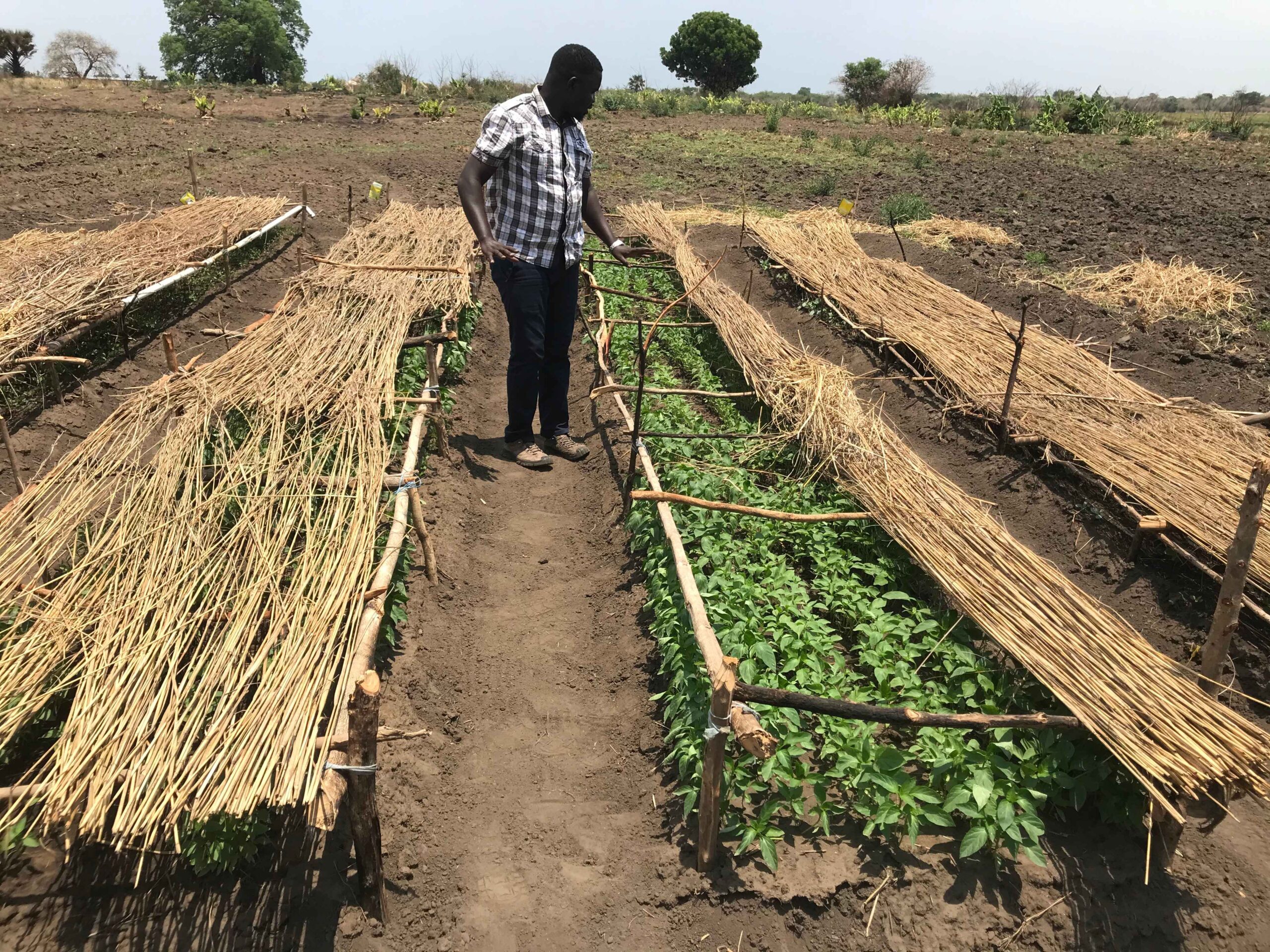
J. Farm Initiative plans to
design demonstration farms with a strong focus on practical education and
training for farmers in South Sudan. These farms will be strategically located for easy community access and will feature representative land to ensure
direct applicability of practices. They will showcase holistic
agroecological and organic designs, including integrated systems like crop
diversification, soil health management, water harvesting, natural pest
control, agroforestry, and local seed saving. Crucially, these farms will incorporate comparison plots to
demonstrate the benefits of sustainable methods. 
By integrating these design principles, J. Farm aims to
create dynamic, living classrooms that empower South Sudanese farmers with the
knowledge and practical skills to transition to resilient, productive, and
sustainable agroecological and organic farming systems.

Fresh Milk & Bread

J. Farm Initiative’s agroecology and
organic agriculture approach for milk production prioritizes indigenous
cattle (Zebu types) and local goat breeds. This choice is driven by their
natural adaptation and resilience to
the South Sudanese climate and diseases, which reduces the need for external inputs like
specialized feeds or synthetic veterinary care. These breeds thrive on local pastures and forage, aligning
with organic principles of animal welfare and feed standards. Furthermore,
focusing on these breeds promotes resource efficiency and conserves biodiversity, making them ideal for
sustainable, low-input organic milk production.

Fresh Natural Fruits and Vegetables

J. Farm Initiative focuses on cultivating
natural fruits such as mangoes, bananas, papayas, guavas, passion fruits, citrus,
avocados, pineapples and other fruits using agroecological and organic methods.
These fruits are chosen for their high nutritional value, local popularity as
staple foods, and adaptability to the region’s climate. Their selection also
supports agroforestry systems, requires minimal external inputs, and offers
economic viability for farmers. 
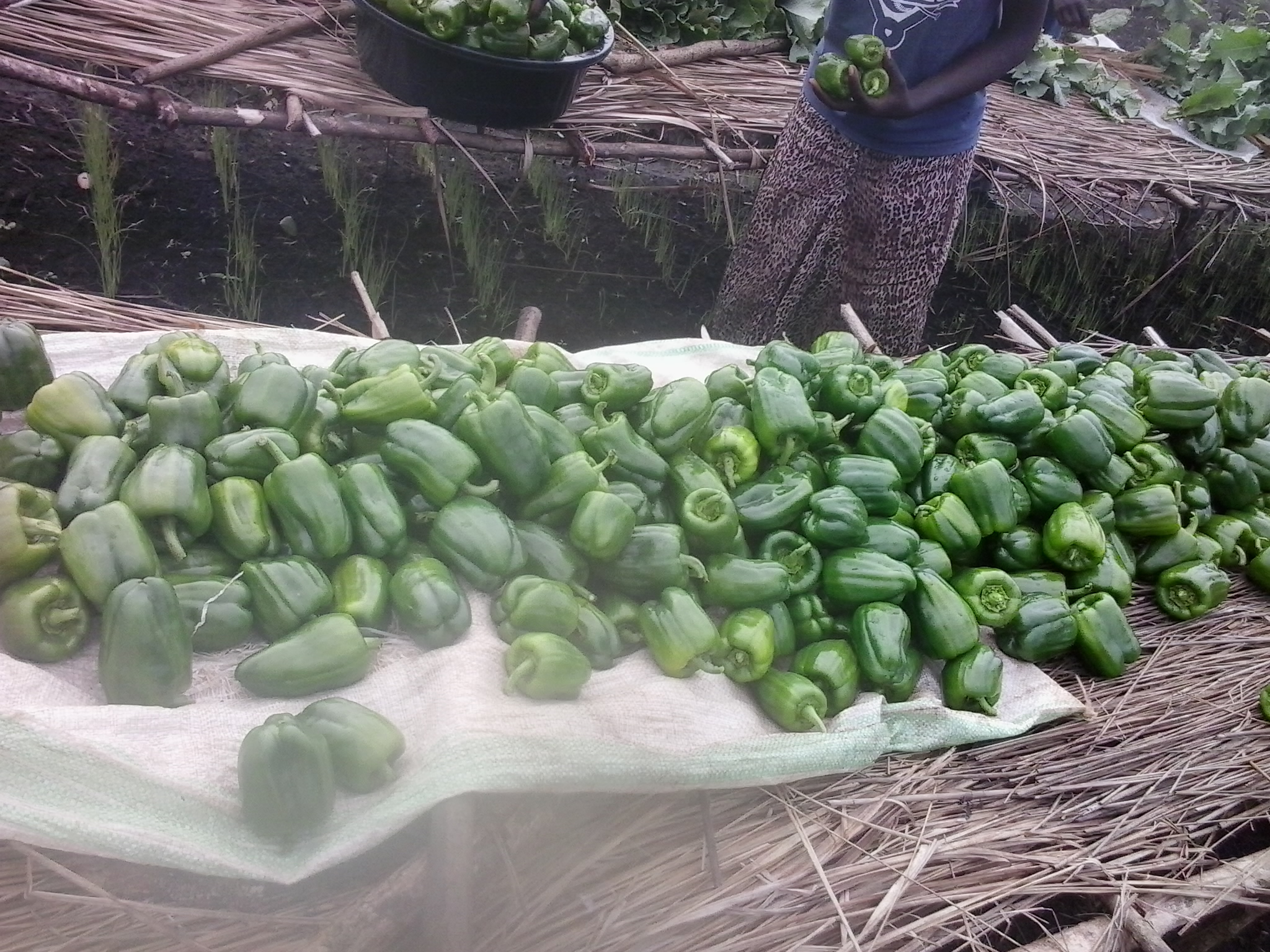
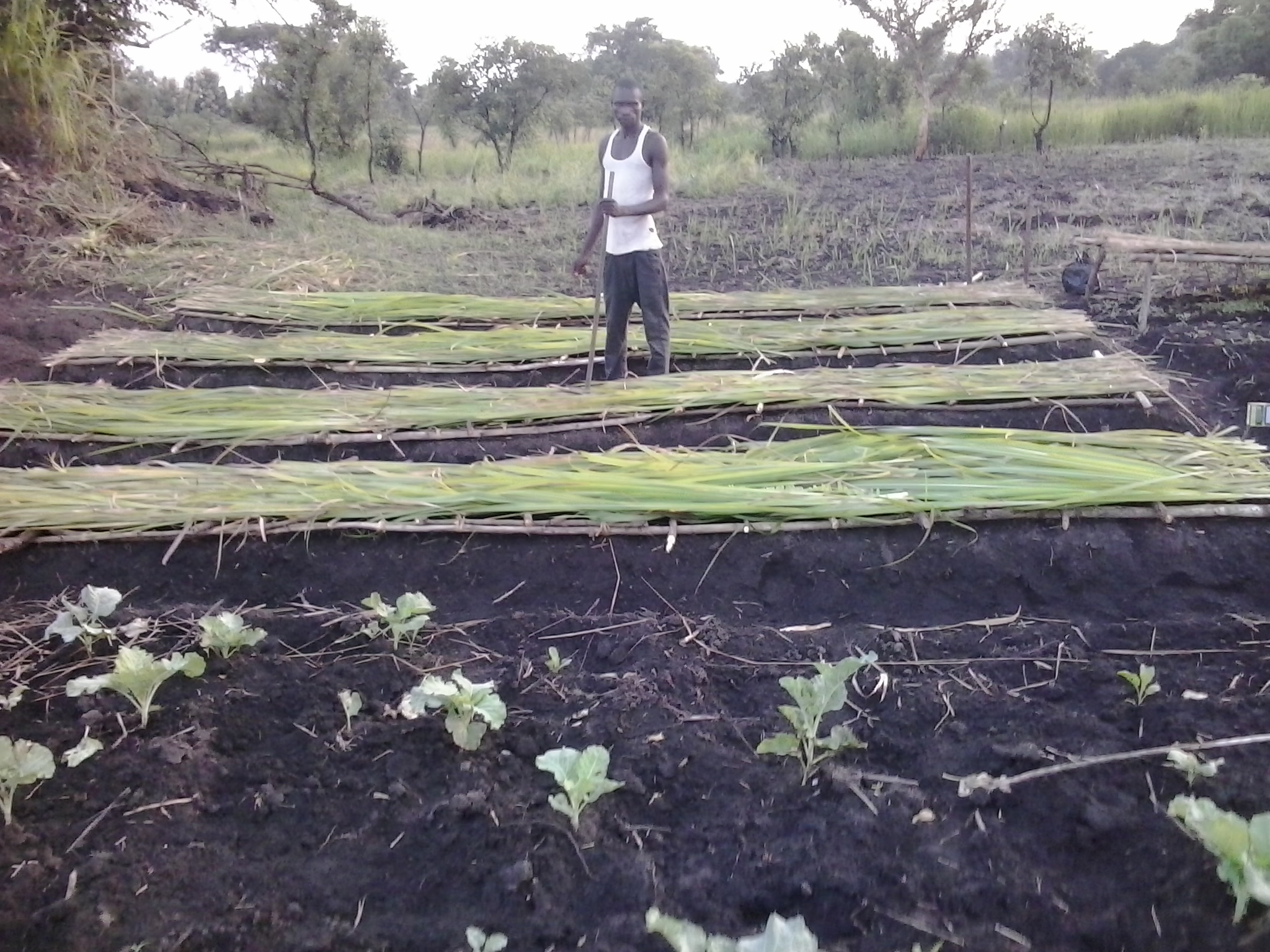
J. Farm Initiative also cultivates a diverse
range of natural vegetable crops using agroecological and organic methods.
These include leafy greens (indigenous
and common varieties) for micronutrients and resilience, legumes for protein and natural soil
fertility, and staple vegetables like okra, tomatoes, green pepper, black
nightshade, eggplant, pumpkins/squashes, sweet potatoes, hot peppers, onions,
and garlic
. The
selection prioritizes crops that are highly nutritious, well-adapted to local
conditions, hardy, and contribute to the ecological balance and sustainability
of the farming system.
Security & Safety

J. Farm Initiative ensures the security and
safety of organic and agroecological food through a multi-layered approach.
This involves rigorous
adherence to organic standards via strict input control, robust Participatory
Guarantee Systems (PGS), and traceability. It provides comprehensive
food safety training covering hygiene, safe water use, and proper post-harvest
handling. The initiative also engages in
consumer education, ensures quality control during market
distribution, and advocates for
an enabling environment by promoting national organic standards and
collaborating with relevant bodies to strengthen the overall food safety
ecosystem.

Modern Equipment

J. Farm Initiative’s approach to “modern equipment” in South Sudan is not about large, high-tech machinery. Instead, it focuses on appropriate technology that is:

Low-cost: Affordable for smallholder farmers.

Easily Maintainable: Can be repaired locally without specialized skills or parts.

Replicable: Farmers can adopt and even build similar tools themselves.

Sustainable and Chemical-Free: Aligns with organic and agroecological principles.

Build Health

Our Latest Product To Build Health

2016-07-30 09.35.31
Oraganic Fresh Food
2016-06-26 19.00.56
Natural Vegetable
IMG_8136_7_11zon
Food Health Check
Our Team

Our Expert Team

j farm dtf-1
Mat Ryan

Food Production

j farm dtf-1
Laura Jones

WareHouse

j farm dtf-1
Edward Kelly

Stocker